A new report from the California State Auditor raises significant concerns about the condition of Central Valley flood control infrastructure, finding that nearly one-third of local agencies responsible for maintaining levees have received unacceptable maintenance ratings, some for several consecutive years. The findings come as California prepares for the winter storm season and highlight growing concerns over aging infrastructure, inadequate funding, and state oversight.
The audit found that the California Department of Water Resources (DWR) has failed to enforce state laws requiring it to assume maintenance responsibilities when local agencies do not adequately maintain their levees. According to the report, these deficiencies could increase flood risks for more than 250,000 residents, approximately 133,000 buildings valued at nearly $40 billion, and hundreds of thousands of acres of agricultural land.
California’s State Plan of Flood Control encompasses approximately 1,600 miles of levees and other flood protection infrastructure along the Sacramento and San Joaquin rivers and their tributaries. While DWR provides oversight, much of the routine maintenance falls to local reclamation districts and other agencies.
DWR disputed several of the audit’s conclusions, arguing that maintenance deficiencies do not necessarily indicate an immediate threat of levee failure. State officials emphasized that flood risk depends on multiple factors, including structural conditions, hydrology, and surrounding infrastructure. The department also cautioned that assuming additional maintenance responsibilities could require tens of millions of dollars that might otherwise support more effective flood protection investments.
Funding remains a central challenge. Although DWR reports providing approximately $400 million to local agencies for levee maintenance over the past decade, the department estimates that an additional $165 million annually will be necessary to fully address Central Valley maintenance needs in the coming decades.
The audit also identified delays in repairing critical infrastructure vulnerabilities. Of 48 sites classified as critical because deficiencies could contribute to levee failure during high-water events, 14 remained unrepaired as of August 2026. Many have been awaiting repairs since 2023, and the state’s existing repair funding is nearing depletion.
The findings follow Governor Gavin Newsom’s recent veto of legislation that would have established an annual repair fund for approximately 1,100 miles of aging Sacramento-San Joaquin Delta levees. Newsom cited existing state budget allocations as justification, although local flood control districts continue to express concerns about insufficient funding for deferred maintenance and larger repair projects.
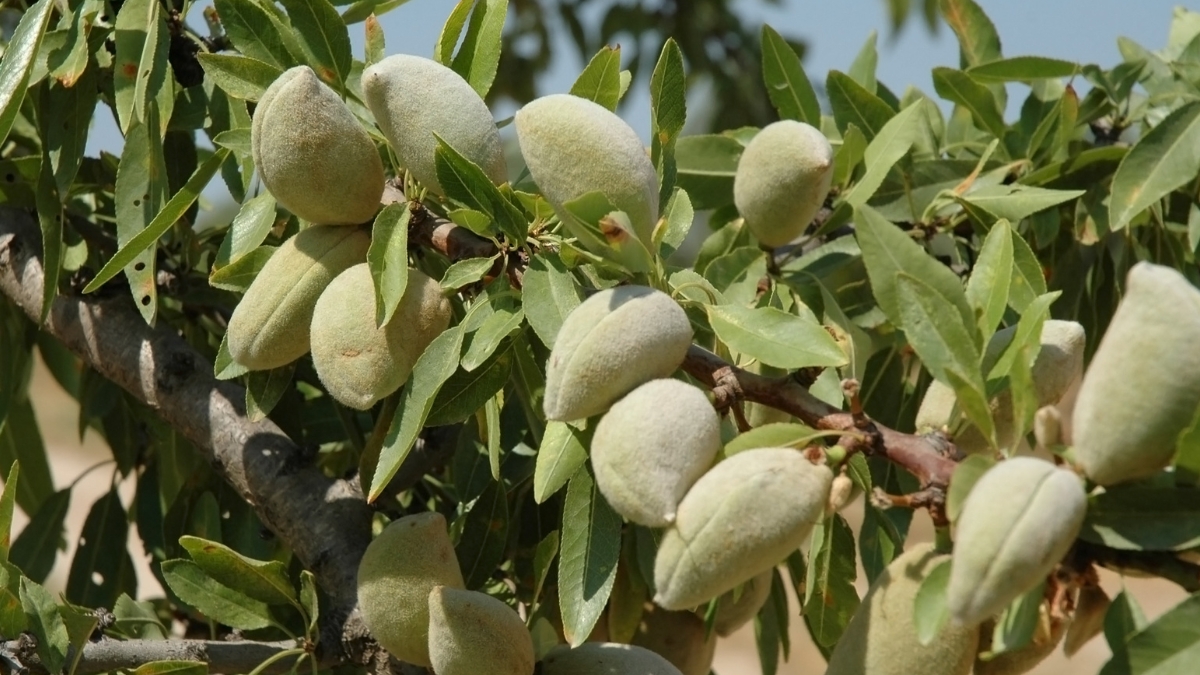
For Central Valley agriculture, inadequate flood protection presents risks to farmland, irrigation infrastructure, and agricultural operations. Prolonged or uncontrolled flooding can damage orchard soils, compromise tree health, disrupt farming activities, and threaten long-term productivity.
The audit is expected to increase pressure on state lawmakers and DWR to address funding shortfalls, strengthen oversight, and accelerate critical repairs. With winter approaching, the findings underscore the importance of maintaining reliable flood control infrastructure to protect Central Valley communities and agricultural lands.