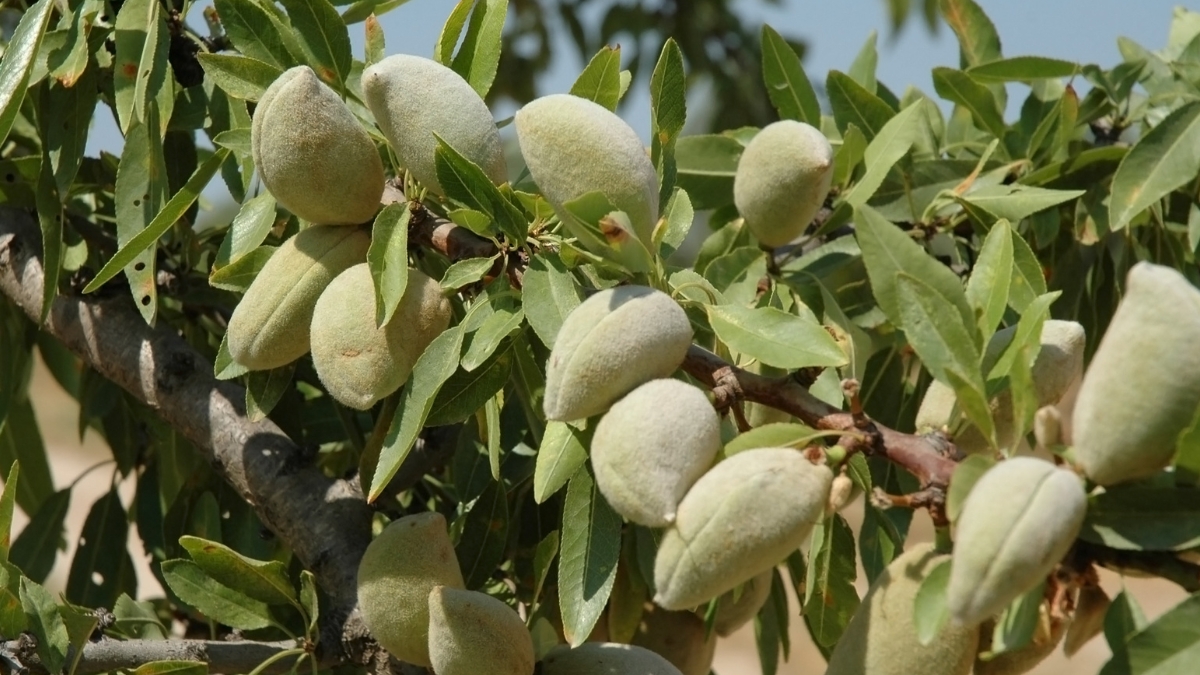
Nature doesn’t always play nice. An unusual amount of rain or extreme heat can undo months of hard work and put your production at risk. That is where risk management tools come into play, like crop insurance, which helps cover losses to your almonds. It protects your crop from unseen threats and gives you peace of mind, even when conditions are uncertain.
Why It Matters for Almond Growers
You can do everything right and still lose a crop. That is why crop insurance matters. It isn’t about expecting the worst. It’s about making sure one bad year doesn’t take your operation down with it.
Almonds are a long-term investment. You put years into an orchard before it reaches full production, and you count on every harvest to keep things moving. When one year falls short, the damage can last well beyond that season, and so much of what causes a loss cannot be predicted.
How Crop Insurance Works
The almond crop insurance policy is customizable to each and every farmer. It is not one size fits all. That is where a crop insurance agent comes into the picture. We learn about your operation, understand your needs, and hear out your concerns. Then we present the options that best fit them. All federal crop insurance products are subsidized, which makes them an affordable risk management tool for farmers. (To receive the subsidy an AD1026 must be filed with FSA office.)
The almond policy is an Actual Production History (APH) based policy. That means we build a database from the history of each specific farm or orchard. You pick the percent of your yield you would like to cover, which can range from 50 to 85 percent depending on your county.
Additional Coverage on Top of Your Base Policy
The Supplemental Coverage Option (SCO) extends your policy’s coverage level up to 90 percent of the area-based yield. It is highly subsidized, at 80 percent.
Here is the difference. Your underlying policy pays based on your own farm’s loss. SCO pays based on your county. A payment is triggered when yield drops at the county level.
The Enhanced Coverage Option (ECO) offers trigger levels from 90 to 95 percent. A trigger is the percentage of expected yield at which a loss becomes payable. ECO is also highly subsidized, at 80 percent.
Like SCO, ECO pays when county-level yield drops. You can select ECO without selecting SCO, or SCO without selecting ECO.
Key Date
December 31, 2026: Deadline to sign up or make changes for the 2027 crop year. This date is firm.
It is a busy time of year as the holidays approach. Reach out to an agent now to get your coverage locked in and learn about the additional coverage offered.
What to Ask Your Agent
Come to the conversation prepared. A few good questions to ask:
- What coverage level fits my operation? Your agent can help you balance the amount of protection with the cost of the premium.
- Would SCO or ECO add value in my county? These additional coverages are highly subsidized, and your agent can show you what they would look like for your county.
- What happens if I have a loss? Know the claims process before you need it.
Call HUB Anytime
HUB International is ready to help with crop insurance for all commodities, not just almonds. Whether you’re locking in your 2027 almond coverage or taking a fresh look at the rest of your operation, we’re here to help.
Don’t wait for the deadline to get close. Call Lauren anytime at 559-852-6105 or reach out at lauren.dutra@hubinternational.com and we’ll walk through your options with you.